





How to Slow Down the Aging Process
Medical prevention of aging is not just about fighting wrinkles — it’s a comprehensive, science-based approach aimed at slowing biological aging and maintaining health at the cellular level.
Slowing down aging is an achievable goal. Here are proven strategies that truly work:
 1. Proper Nutrition
– Eat less sugar and processed foods.
– Include more vegetables, fruits, nuts, fish, whole grains, and dark berries rich in antioxidants.
– Monitor your vitamin levels (A, C, E, D, omega-3) and limit processed meat.
 2. Physical Activity
– Exercise 2–3 times per week: walking, swimming, yoga, cycling, or light strength training.
– Build muscle, flexibility, and endurance while strengthening your heart.
– Even a 5% weight reduction can improve metabolism and lower disease risk.
 3. Quality Sleep
– Sleep 7–8 hours per night, keep a consistent schedule, and avoid screens before bed — this slows brain aging and reduces the risk of dementia.
 4. Stress Management
– Practice meditation, breathing exercises, and engaging hobbies.
– These reduce stress and cortisol levels, prevent cellular inflammation, and slow biological aging.
 5. Skin Care
– Use sunscreen daily.
– Keep your skin well-hydrated.
– Regular aerobic exercise improves skin structure and elasticity.
 6. Medical Prevention
– Have regular check-ups, monitor hormones, blood sugar, and cholesterol.
– Consider genetic testing if needed.
 7. Brain and Social Connections
– Socialize with friends — it lowers the risk of dementia and premature death.
– Pursue hobbies and lifelong learning to maintain cognitive function and slow brain decline.
 8. Avoid Harmful Habits
– Quit smoking and alcohol consumption.
– Limit excessive gadget use, internet, and gaming addiction.
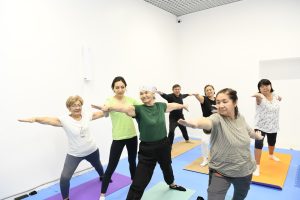 9. Daily Exercises:
1. Plank — 30–60 seconds. Strengthens your core and improves posture.
2. Squats — 15 repetitions. Activates leg and glute muscles, improves circulation.
3. Push-ups — 10–15 repetitions. Develops chest, shoulder, and triceps strength.